The SSC GD medical disqualification rules list helps candidates understand the physical and medical conditions that may affect their eligibility for General Duty (GD) positions. Although clearing the written examination and Physical Efficiency Test (PET) marks a major milestone, candidates must also pass the Detailed Medical Examination (DME) to qualify for final appointment. Therefore, understanding the medical standards early helps candidates identify potential concerns and prepare for the assessment.
SSC GD Medical Disqualification Rules List: Overview and BMI Norms
Medical boards evaluate candidates against prescribed physical and clinical standards to ensure they can perform demanding duties in paramilitary forces. These assessments cover BMI, eyesight, color vision, hearing, and structural abnormalities.
| Medical Parameter | Standard or Requirement |
|---|---|
| Body Mass Index (BMI) | Verify the applicable recruitment medical standards |
| Distant vision | Must meet the prescribed unaided visual standards |
| Color vision | Must satisfy the prescribed color vision requirements |
| Knock knees | Medical officers assess knee alignment and ankle separation |
| Bow legs | Medical officers assess leg alignment |
| Hearing | Candidates must meet the prescribed hearing standards |
BMI and Weight Requirements
During the medical examination, the Medical Officer assesses a candidate’s height, weight, and BMI according to the applicable recruitment rules. BMI measures body weight relative to height and follows this formula:
BMI = Weight (kg) ÷ Height (m)²
Candidates should not assume that a particular BMI range applies universally to every recruitment cycle. Instead, they should check the latest official SSC GD notification and medical examination instructions before making decisions about their eligibility.
Major Physical Conditions That May Cause Medical Disqualification
SSC GD Medical officers examine candidates for structural abnormalities that may affect mobility, endurance, or their ability to perform assigned duties. However, the final decision depends on the applicable medical standards and the examining board’s findings.
1. Knock Knees (Genu Valgum)
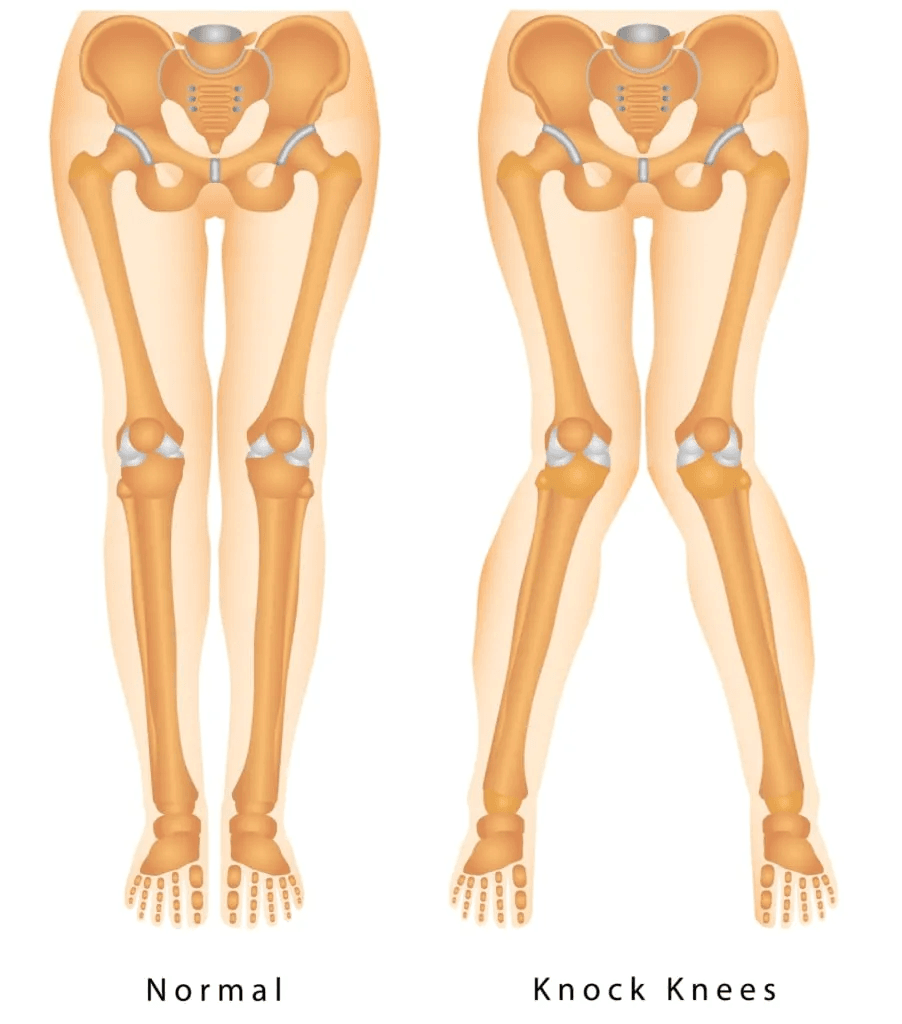
Knock knees occur when the knees move inward and approach or touch each other while the ankles remain apart. During the examination, medical officers assess knee alignment and the distance between the ankles. If the condition exceeds the permitted limits, the board may declare the candidate medically unfit.
2. Bow Legs (Genu Varum)
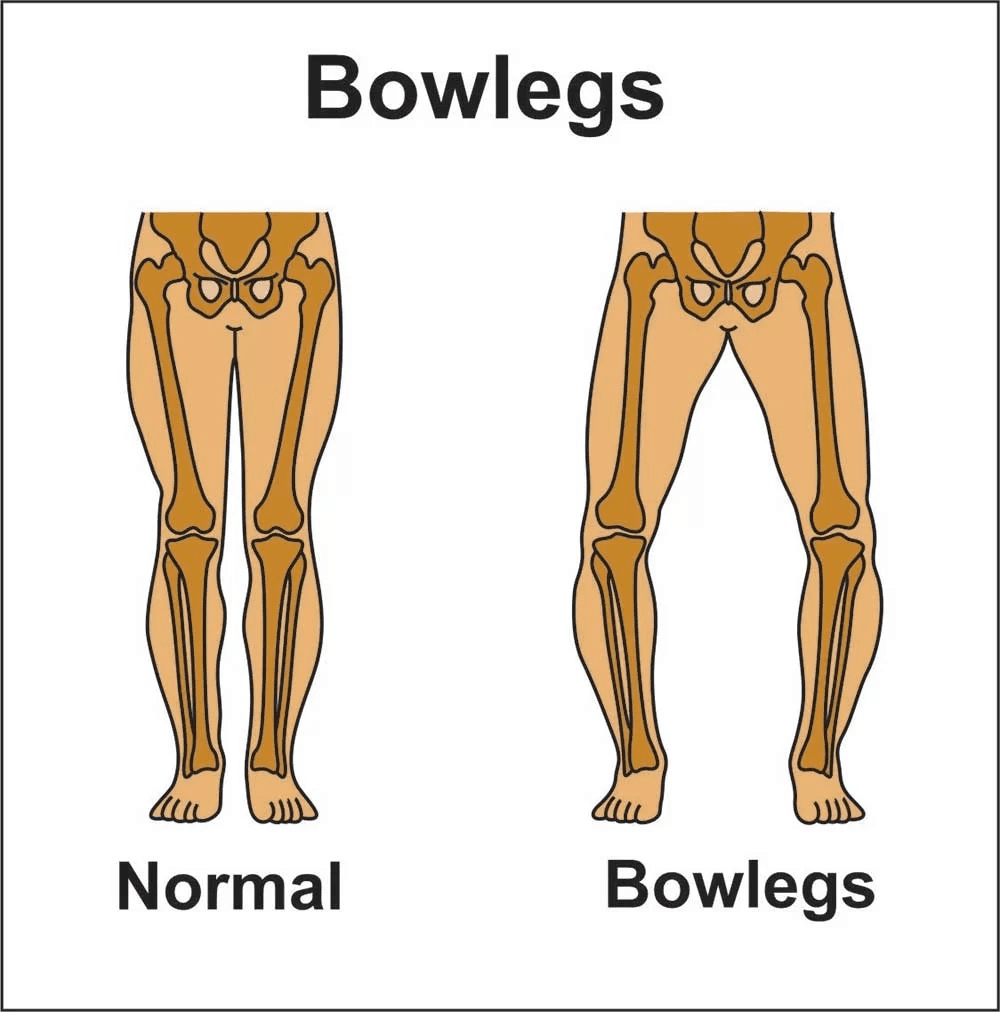
Bow legs cause the knees to remain apart when the ankles touch. Medical officers assess the severity of this structural condition to determine whether it meets the prescribed standards. Therefore, candidates should consult a qualified medical professional if they suspect a significant alignment problem.
3. Flat Feet (Pes Planus)
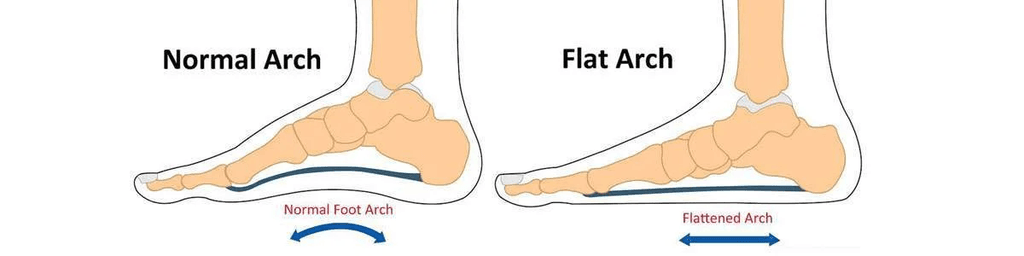
Flat feet occur when the arches of the feet appear reduced or absent. Because foot structure can affect running, marching, and prolonged standing, medical officers examine the feet during the medical assessment. Nevertheless, candidates should refer to the applicable recruitment medical criteria rather than assume that every case automatically leads to rejection.
4. Varicose Veins
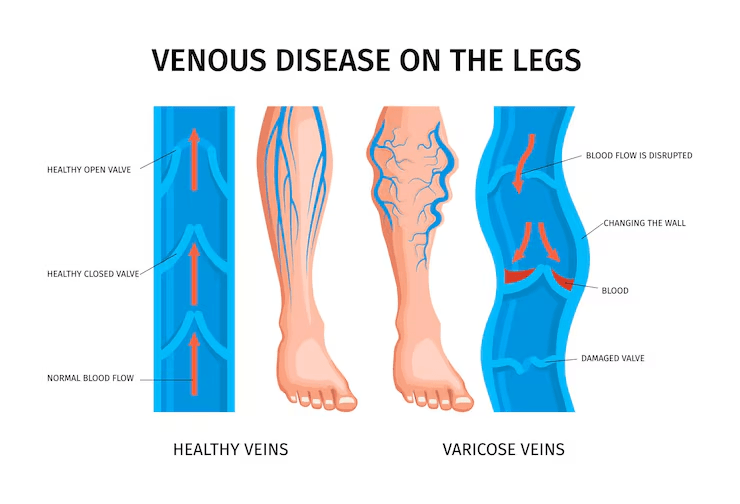
Varicose veins appear as enlarged, twisted veins, usually in the legs. Since severe cases may affect physical function, medical officers evaluate the condition and determine whether it meets the prescribed fitness requirements.
Candidates preparing for clerical or non-uniformed positions can also read our guide on document verification checklists to understand general administrative requirements.
SSC GD Eyesight Requirements and Ophthalmic Evaluation
Vision plays an important role in General Duty assignments. Therefore, medical officers assess visual acuity, color perception, and other eye conditions according to the official medical standards.
1. Spectacles and Contact Lenses

Candidates must satisfy the prescribed visual standards during the eye examination. They should check the latest official notification to confirm the required unaided vision and whether any specific eye condition affects eligibility.
2. Color Blindness
Medical officers assess color perception using the prescribed examination methods. Candidates who do not meet the required color vision standards may face medical disqualification.
3. Squint Eyes (Strabismus)
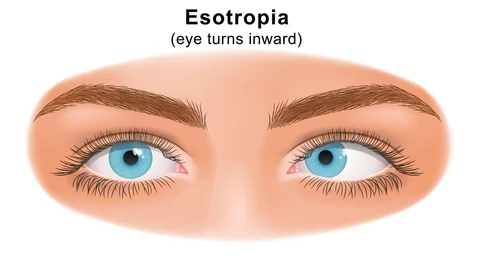
Strabismus causes the eyes to point in different directions. During the assessment, medical officers examine eye alignment and binocular vision to determine whether the condition meets the applicable medical requirements.
4. LASIK and Other Refractive Surgery
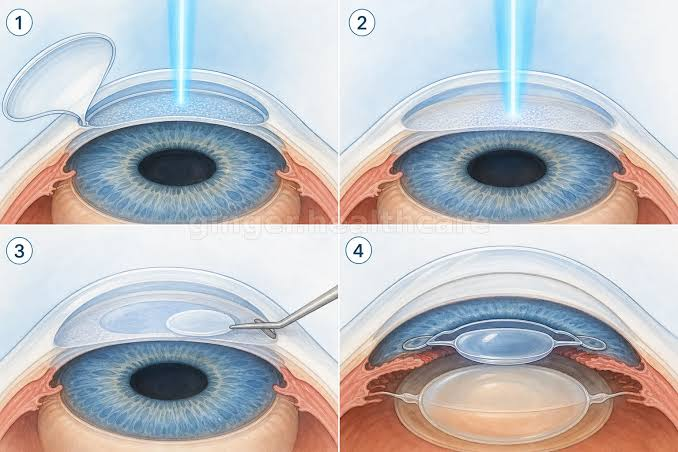
Candidates who have undergone LASIK or another corrective eye procedure should review the current recruitment medical rules before attending the examination. The medical board may assess surgical history, healing, visual stability, and any complications when determining fitness.
Furthermore, aspirants preparing for the written examination can explore our guide on quantitative aptitude shortcut tricks to improve their calculation speed.
Surgical History, Tattoos, and Other Medical Conditions
In addition to physical structure and eyesight, medical officers review relevant surgical history, scars, tattoos, and other clinical findings.
1. Hernia, Hydrocele, and Piles
Candidates with a history of hernia, hydrocele, or piles should seek appropriate medical advice before the examination. Where treatment is necessary, they should allow sufficient time for recovery and retain relevant medical records. However, eligibility depends on the condition, its treatment, the stage of recovery, and the applicable recruitment standards.
2. Tattoo Regulations
Tattoo eligibility depends on the official recruitment rules concerning location, size, content, and other restrictions. Candidates should verify the current SSC GD notification instead of relying on general assumptions about permitted body areas or tattoo dimensions.
3. Surgical Scars and Medical Records
Medical officers may assess surgical scars and previous operations during the examination. Therefore, candidates should disclose relevant medical history honestly and provide supporting documents when required.
How to Prepare for the SSC GD Medical Examination
SSC GD Medical Candidates can take several practical steps to prepare for their medical assessment.
- Read the latest official notification
- Arrange an early medical checkup
- Maintain healthy habits
- Keep medical records ready
- Follow official guidance: Use the Staff Selection Commission’s official website to check recruitment notices and updates.
Conclusion
The SSC GD medical disqualification rules list helps candidates understand the medical factors that may affect their eligibility. In particular, candidates should review the applicable requirements for BMI, eyesight, color vision, knee alignment, flat feet, varicose veins, surgical history, and tattoos.
Ultimately, the official recruitment notification and the authorized medical board determine medical fitness. Therefore, candidates should verify the latest standards, seek professional medical advice when necessary, and avoid relying on unverified claims about automatic disqualification.
The official guidelines and disqualification standards for the SSC GD Medical Examination (DME/RME) are outlined in the Staff Selection Commission Official Website and the Ministry of Home Affairs guidelines available via the CRPF Guidelines PDF and the MHA RME Guidelines PDF.
Frequently Asked Questions
Is LASIK surgery allowed for SSC GD Medical candidates?
Candidates should consult the latest SSC GD medical standards to determine how LASIK surgery affects eligibility. The medical board assesses the applicable visual requirements and relevant surgical findings.
Can the medical board reject a candidate for being overweight?
The medical board evaluates height, weight, and other relevant medical parameters under the applicable recruitment rules. Candidates should consult the latest official notification to understand the precise criteria for medical fitness.
Can flat feet lead to SSC GD medical disqualification?
Flat feet may affect eligibility if the condition fails to meet the prescribed medical standards. However, the authorized medical board determines fitness after evaluating the candidate.
Do tattoos affect SSC GD Medical eligibility?
Yes, tattoos may affect eligibility if they violate the applicable restrictions on location, size, or content. Candidates should consult the latest official recruitment notification for the exact rules.
Where can candidates check the official SSC GD medical standards?
Candidates can visit the official Staff Selection Commission website at https://ssc.gov.in/ to review recruitment notifications and relevant examination instructions.
SSC CGL Tier 1 Admit Card are out!
Written by: Suresh Kumar
Reviewed by: Nokari Editorial Team (Divyesh)
Published: 12 October 2026
Last Updated: 12 October 2026
Disclaimer: Nokari.in is an independent information portal. Always cross-verify official details, eligibility, and dates on the official board website before applying.
About the Author