
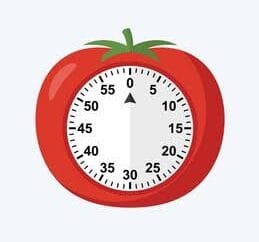
The 50/10 Focus Technique
The 50/10 Focus Technique: Imagine sitting at a desk for six consecutive hours might feel like dedication, but after the two-hour mark, active focus drops sharply. For students preparing for time-sensitive competitive exams, quality of concentration matters far more than total seated hours.
So what is the 50/10 focus technique—a high-efficiency study framework structured to maximize deep work while preventing mental exhaustion. By aligning study sessions with natural human attention cycles, this rhythm helps aspirants retain complex formulas, boost speed during practice sets, and maintain steady energy throughout long preparation schedules.
[ 50 Minutes: Uninterrupted Deep Work ] ──► [ 10 Minutes: Complete Mental Reset ]
                  │                                         │
                  ▼                                         ▼
   • Single-tasking                           • Stand up & walk around
   • Zero phone notifications                 • Hydrate / stretch
   • Active practice / reading                • No scrolling or social media
What Is the 50 10 Rule for Studying?
The 50 10 rule for studying is an extended variant of traditional time-blocking methods. Instead of breaking work into brief 25-minute sprints, you dedicate 50 minutes to intense, distraction-free learning, followed immediately by a strict 10-minute restorative break.
Why the 50-Minute Window Works
Educational psychologists point out that complex problem-solving—such as solving multi-step quantitative aptitude questions, analyzing reasoning patterns, or reading dense historical texts—requires time just to enter a state of “flow.”
Short intervals often cut off deep concentration right as your brain peaks in focus. A 50-minute block provides enough runway to tackle heavy topics while remaining short enough to keep mental fatigue at bay.
25 5 vs 50 10 Pomodoro: Which Study Rhythm Fits You?
When choosing a productivity framework, candidates frequently ask about the differences between the 25 5 vs 50 10 pomodoro structures. Both have distinct advantages depending on the material you are reviewing.
| Feature | 25/5 Pomodoro Technique | 50/10 Focus Technique |
| Study Duration | 25 Minutes | 50 Minutes |
| Break Duration | 5 Minutes | 10 Minutes |
| Best Used For | Quick tasks, rapid revision, vocabulary lists, administrative chores | Full mock tests, complex math, deep reading, logical reasoning |
| Flow State Potential | Low (Frequent interruptions) | High (Sustained focus window) |
| Mental Endurance | Ideal for beginners or low-energy days | Ideal for advanced preparation and full-length exam simulation |
How to Set Up Your 50 10 Study Timer Environment
To make the 50 10 study timer method effective, structure your environment before starting the clock:

- Eliminate Digital Friction: Set your phone to Do Not Disturb or leave it in another room. Close non-essential browser tabs before starting your 50-minute block.
- Define a Single Goal: Decide exactly what you will accomplish during the 50 minutes (e.g., “Solve 30 geometry questions” or “Read Chapter 4 of History”). Avoid switching tasks mid-session.
- Use a Dedicated Timer: Set a reliable 50/10 pomodoro timer app or a simple kitchen timer so you don’t need to check the clock constantly.
What to Do During the 10-Minute Break
How you spend your 10-minute rest period determines whether your next 50-minute block succeeds. The goal is to allow your brain’s default mode network to process what you just learned.
DO’s:
- Get Up and Move: Walk around, stretch your lower back, or step outside for fresh air.
- Hydrate and Refuel: Drink a glass of water or grab a light snack.
- Rest Your Eyes: Look out a window at distant objects to relieve digital eye strain.
DON’T:
- Don’t Scroll Social Media: Checking short-form videos or social feeds floods your brain with dopamine, making it significantly harder to re-focus during the next round.
- Don’t Open Complex Emails or Messages: Replying to intense conversations creates cognitive residue that distracts your focus during the upcoming block.
Structuring the 50/10 Pomodoro Long Break Schedule
If you plan to study for four or five hours in a single day, stack your sessions with a longer rest period built in:
[ Block 1: 50m Study / 10m Break ] ──► [ Block 2: 50m Study / 10m Break ]
                                                 │
                                                 ▼
[ 30-Minute Meal / Relaxation Break ] ◄──────────┘
                                                 │
                                                 ▼
[ Block 3: 50m Study / 10m Break ] ──► [ Block 4: 50m Study / Session Done ]
By adding a 30-minute extended meal or relaxation break after every two 50/10 cycles, you can complete four hours of high-intensity study per day without experiencing evening burnout.
Final Thoughts for Exam Aspirants
Consistency beats intensity every time. Adopting a 50 min study 10 min break routine ensures that every hour you spend at your desk delivers maximum retention and clarity. Start by testing two 50/10 cycles tomorrow morning, adjust based on your stamina, and build a sustainable habit that carries you straight through exam day.
Advisory & Wellness Note: If you consistently experience overwhelming fatigue, persistent brain fog, or extreme anxiety despite taking structured breaks, consider consulting a healthcare professional or academic guidance counselor to evaluate your overall sleep, nutrition, and stress management routines.
Written by: Suresh Kumar
Reviewed by: Nokari Editorial Team
Published: 4 October 2026
Last Updated: 4 October 2026
ALSO RECOMMENDED —> How to Handle Exam Anxiety in 3 Minutes
About the Author



1 thought on “The 50/10 Focus Technique: Master and Beat Exam Fatigue”
Comments are closed.